
Coker Classic Tires

FEATURED NEW PRODUCTS





Frequently Asked Questions
Brand Identity & Legacy ▼
Why are Coker Classic tires popular for vintage car restorations? ▼
Coker Classic tires are widely recognized for preserving the original look and driving character of historic American vehicles. The brand focuses on reproducing period correct tires that match the styling, proportions, and sidewall profiles seen on classic automobiles from the early twentieth century through the muscle car era. Enthusiasts often associate Coker Classic tires with authentic restoration projects where maintaining factory appearance is just as important as drivability.
Within restoration communities, the brand represents a bridge between historical accuracy and modern tire usability. Many Coker Classic tires combine traditional bias ply styling or wide whitewall aesthetics with improved materials and manufacturing processes. This approach allows owners to maintain authentic vehicle presentation while benefiting from better tread longevity, improved contact patch behavior, and more predictable handling characteristics on modern roads.
What are Coker Classic tires known for in the classic car world? ▼
Coker Classic has developed a strong reputation among collectors by focusing almost entirely on tires designed for historic vehicles. Many tire manufacturers concentrate on modern passenger vehicles, but Coker Classic invested heavily in recreating vintage patterns, sidewall treatments, and construction styles that were once common on American cars and trucks.
Because of this specialization, the brand appears frequently at car shows, restoration shops, and collector auctions. Owners restoring vehicles from the 1930s through the 1970s often seek tires that visually match the original factory equipment. Coker Classic fills that niche by offering designs that preserve authentic appearance while incorporating modern rubber compounds and manufacturing standards, helping maintain historical accuracy without sacrificing reliability on today’s roads.
Why are Coker Classic tires popular among restoration enthusiasts? ▼
Classic car forums and restoration communities frequently discuss Coker Classic tires because many enthusiasts search for historically accurate replacements when restoring older vehicles. Original tires from past decades are no longer manufactured, so restorers rely on reproduction options that match the original appearance and construction as closely as possible.
Coker Classic appears regularly in those discussions because it provides solutions that replicate traditional tread designs and sidewall styles used across many vintage vehicles. Enthusiasts often compare ride characteristics, contact patch behavior, and sidewall flexibility when choosing between bias ply and radial versions. These conversations highlight the balance between historical authenticity and modern drivability that many classic car owners consider when selecting tires.
How does Coker Classic balance heritage with modern manufacturing? ▼
Coker Classic focuses on preserving historical tire designs while using contemporary production techniques. Vintage tires originally used materials and manufacturing methods that may not meet modern durability expectations. By applying updated rubber compounds and improved internal construction methods, the brand recreates classic tire styles without sacrificing reliability.
This approach allows enthusiasts to enjoy authentic visual details while benefiting from modern safety standards. Improved tread stability, better heat dissipation, and consistent manufacturing tolerances help these tires perform more predictably on today’s roads. As a result, Coker Classic tires allow collectors and restorers to maintain historical authenticity while still achieving dependable performance during regular driving and long distance cruising.
Appearance & Styling ▼
Why are wide whitewall tires strongly associated with Coker Classic? ▼
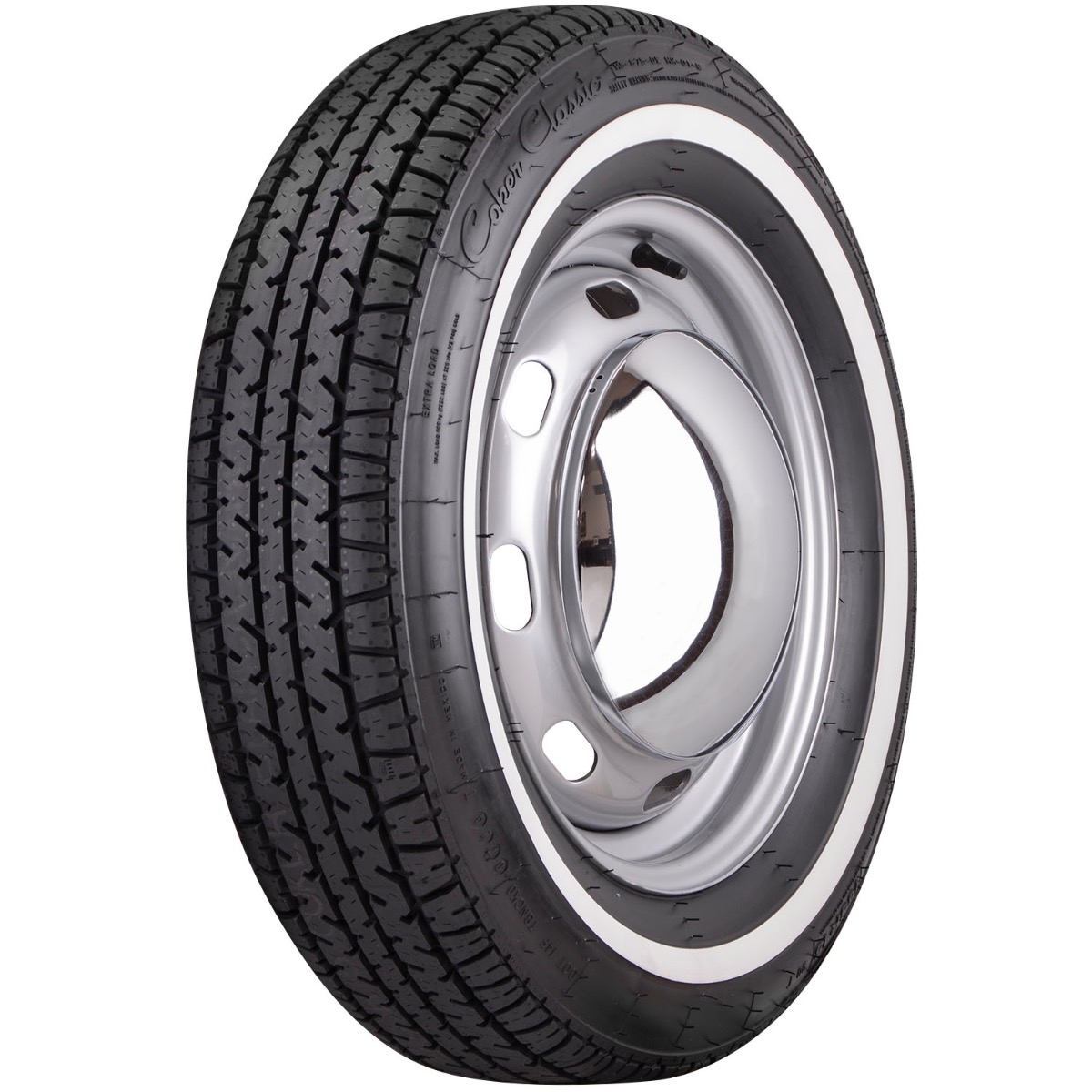
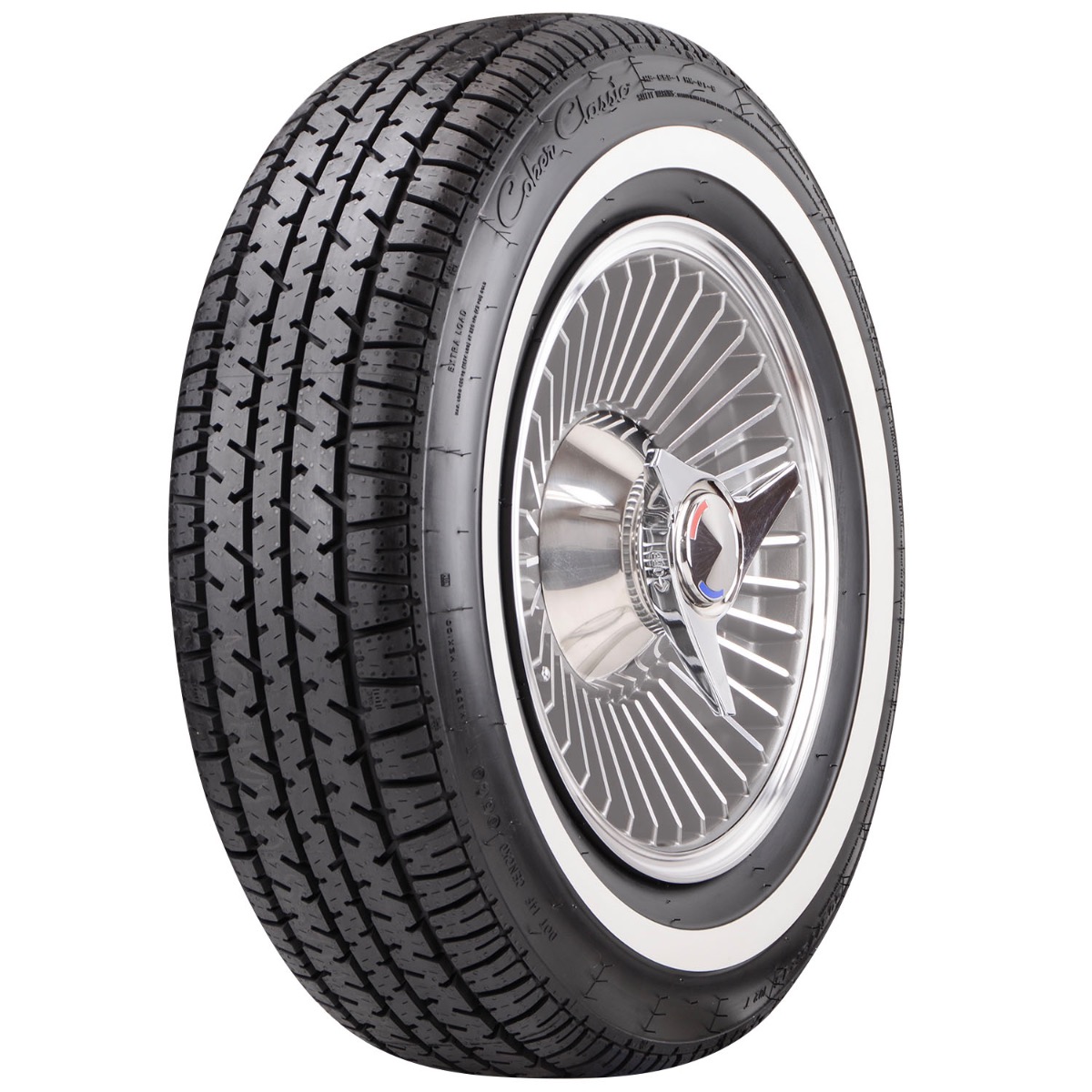
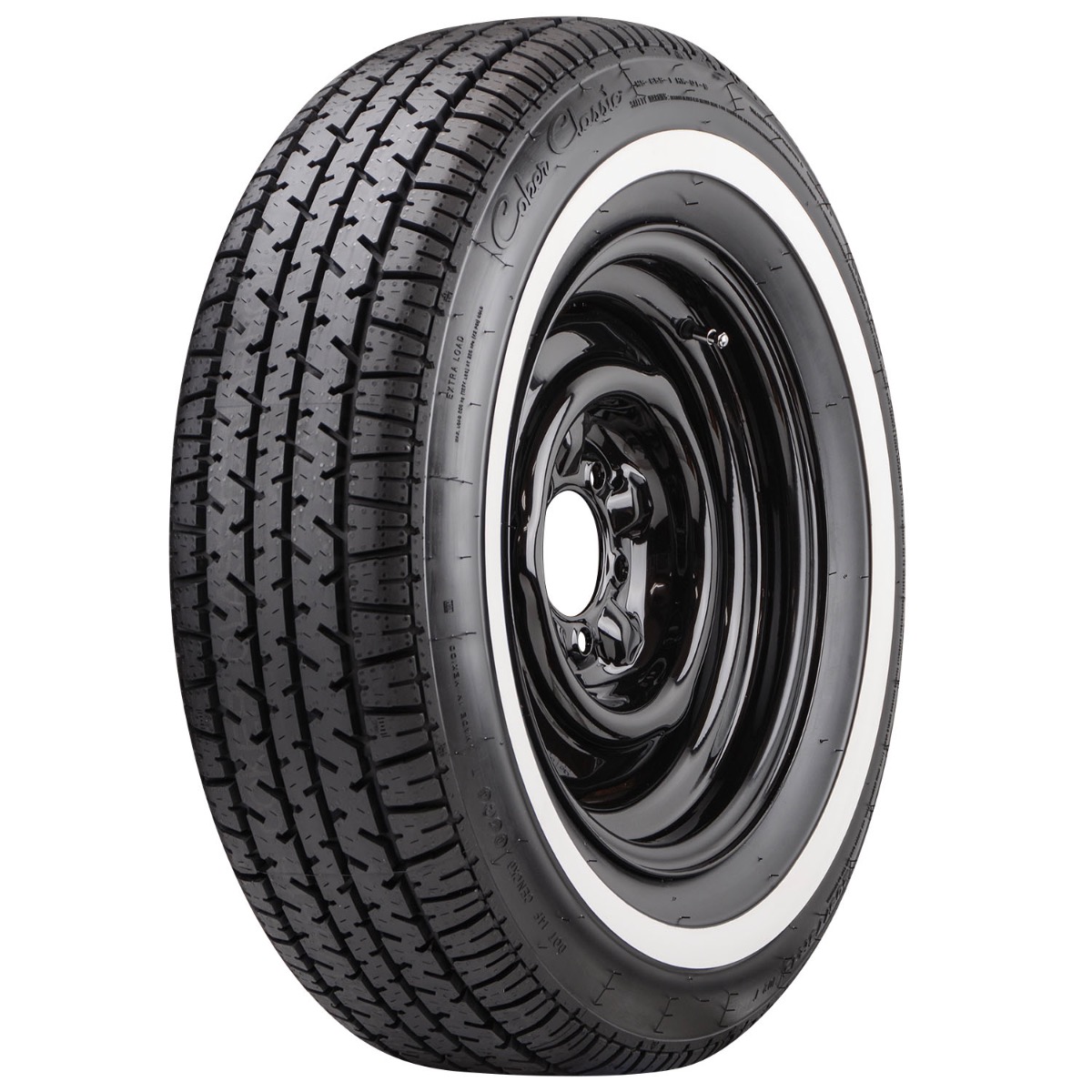
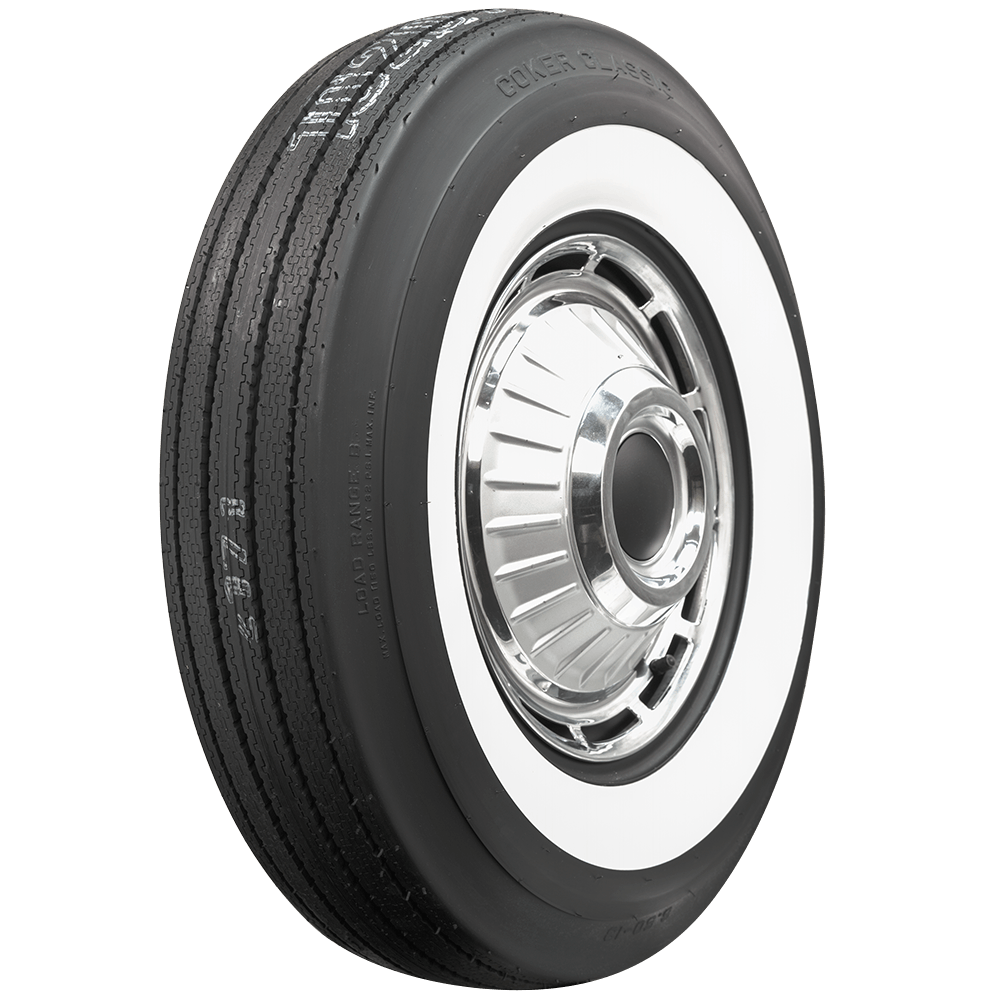
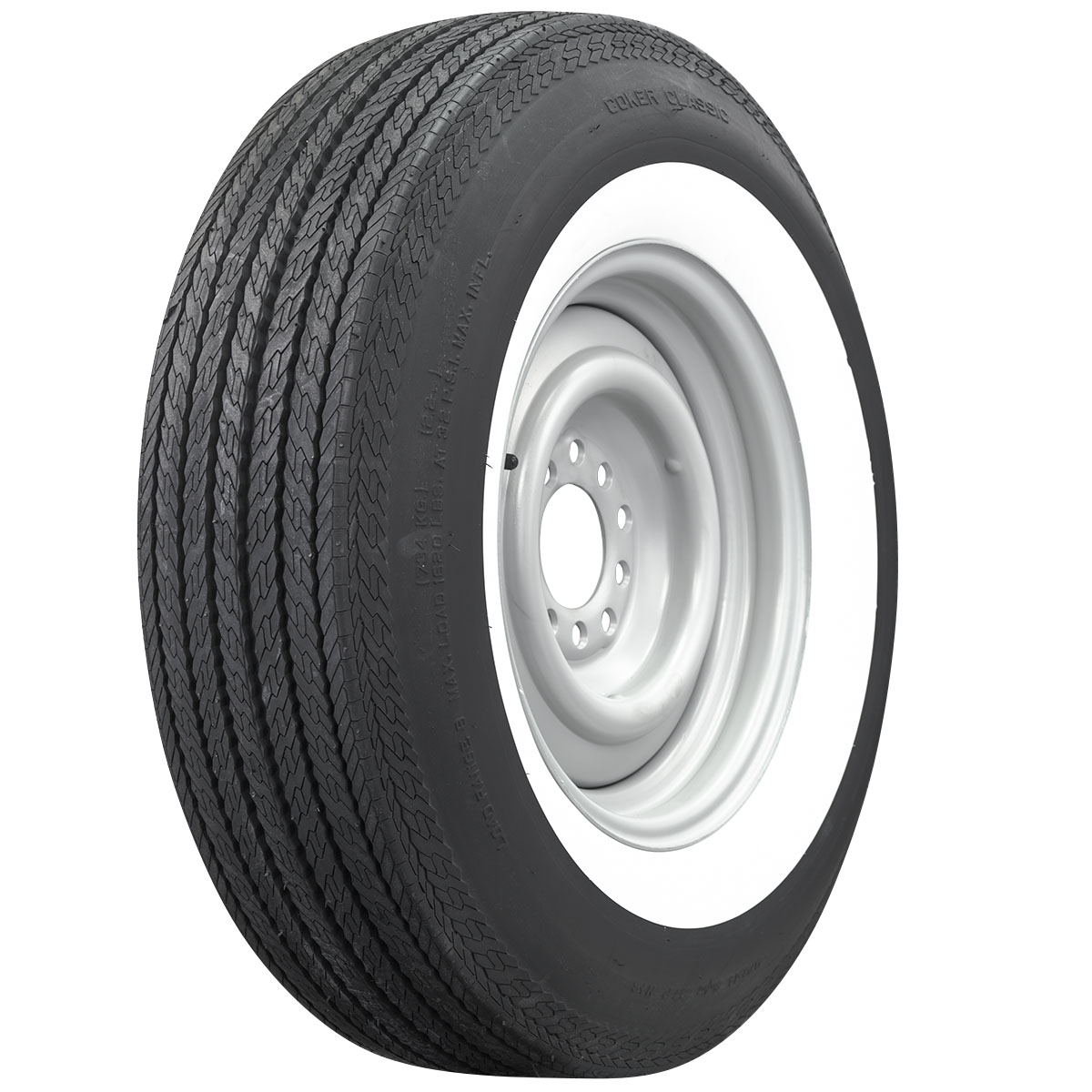
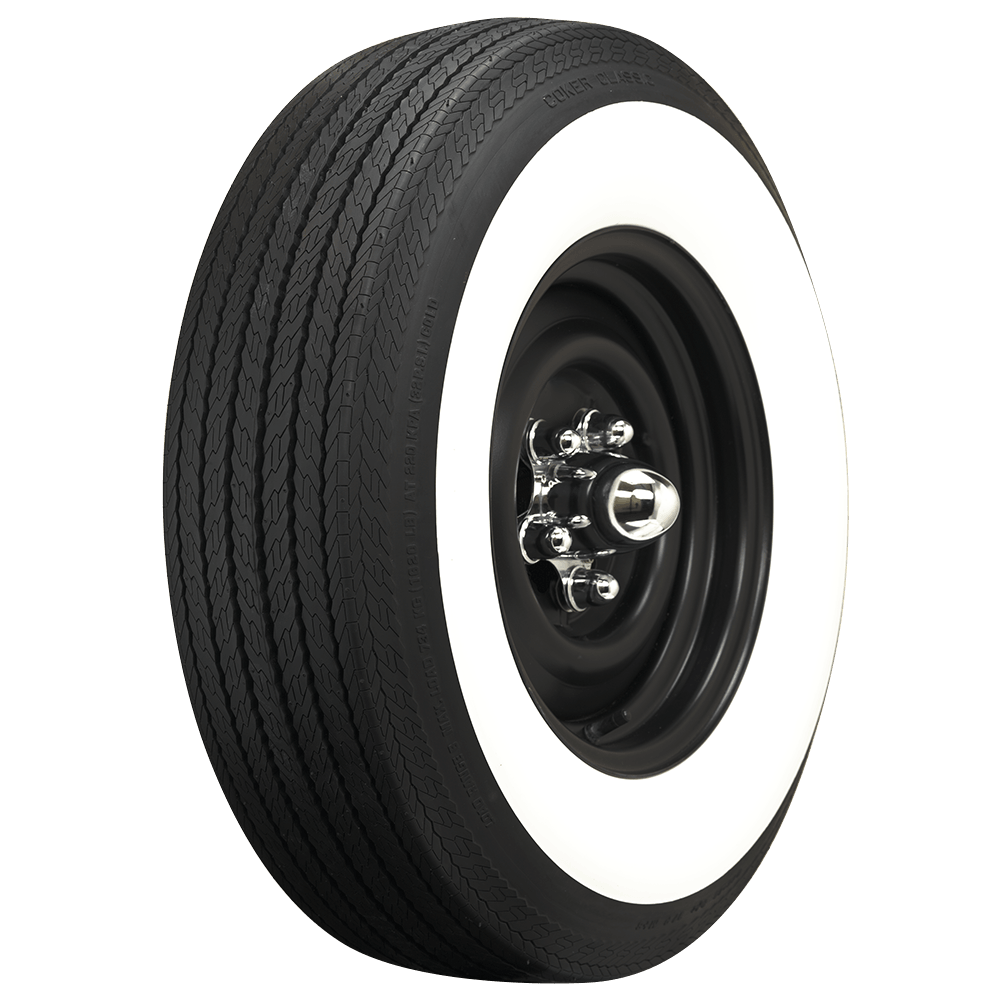
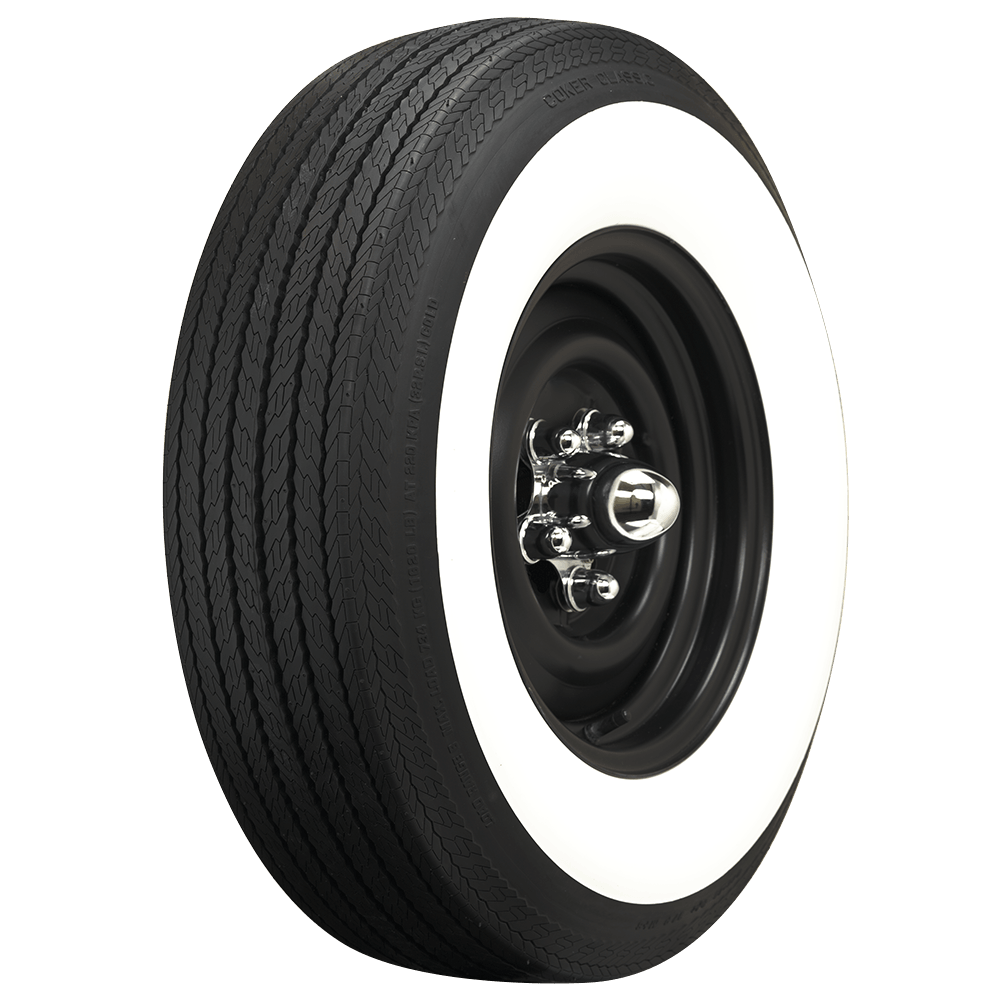
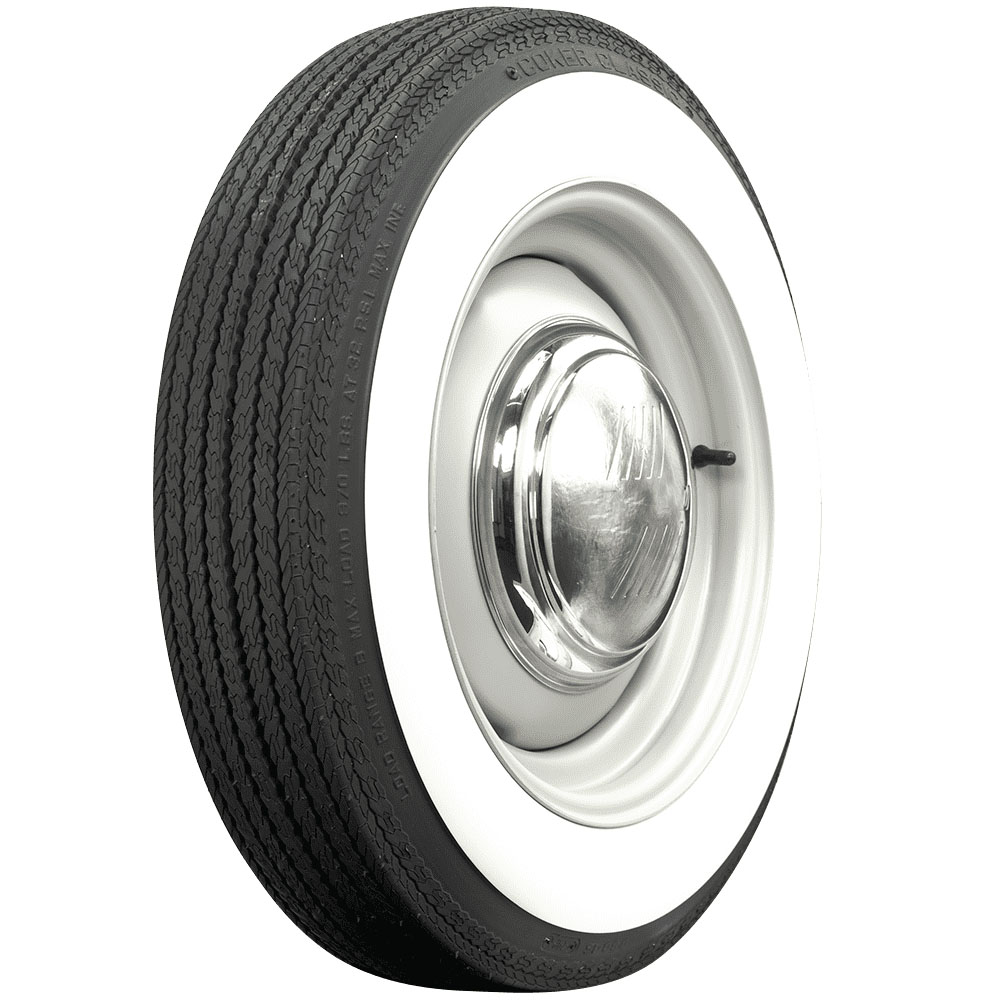
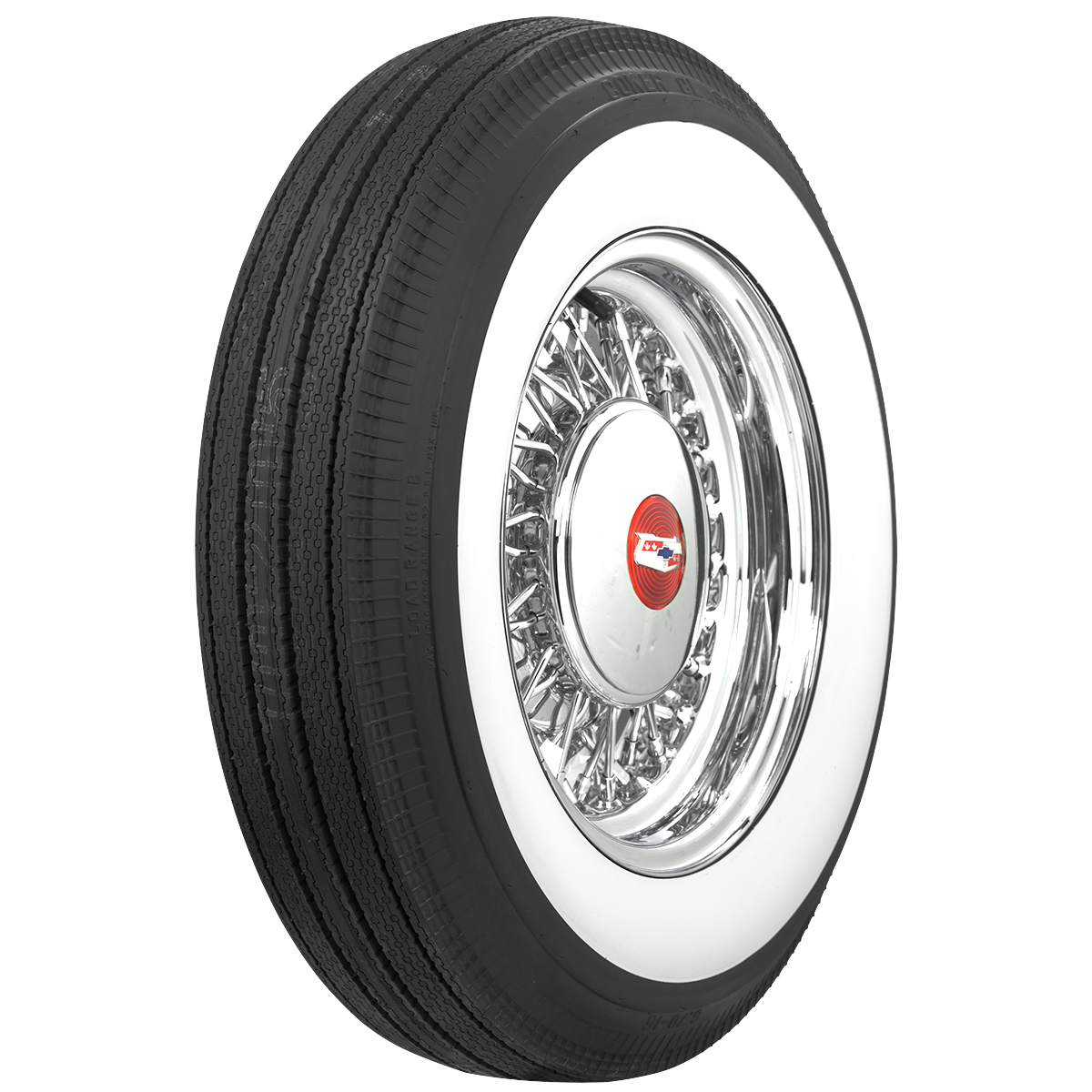
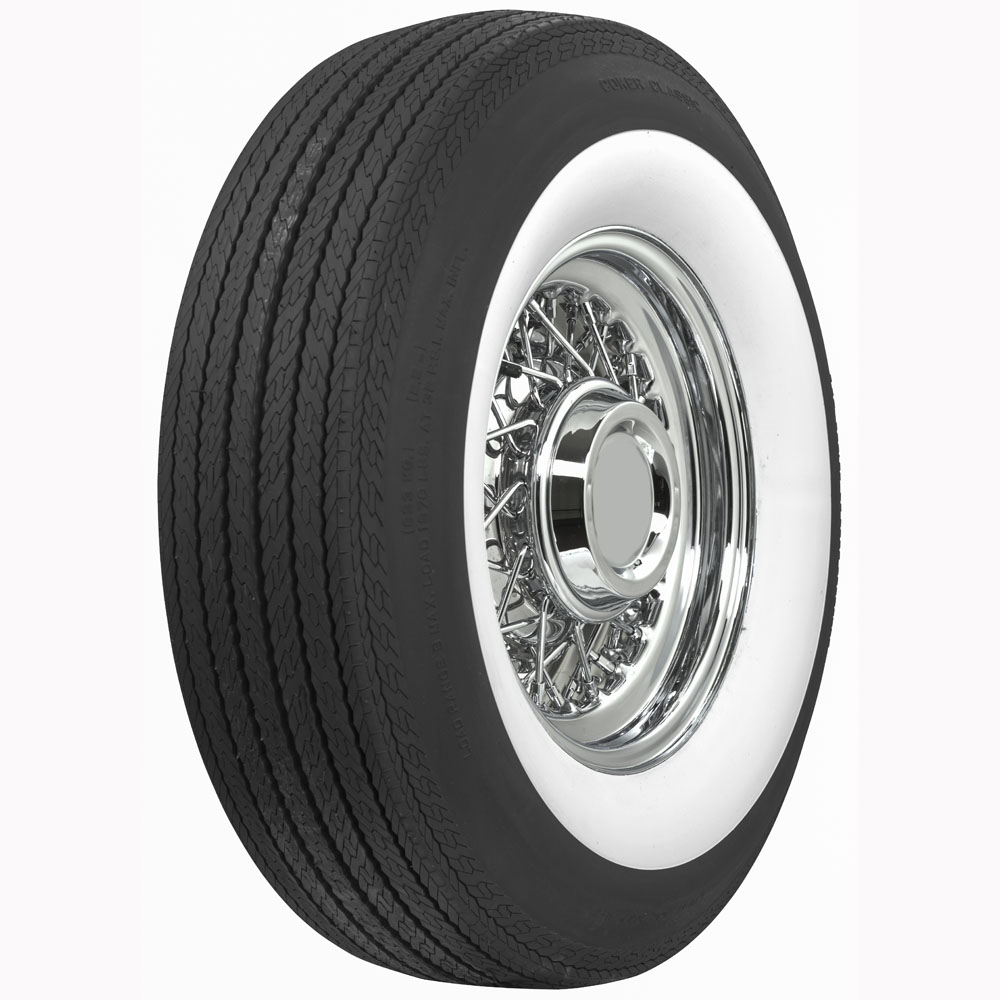
Wide whitewall tires are one of the most recognizable styling elements in classic automotive design. Many luxury and premium vehicles from the 1940s through the early 1960s featured wide whitewalls as a factory option, making them a key visual detail in authentic restorations. Coker Classic reproduces these designs so collectors can restore vehicles with the correct appearance.
The width and placement of the whitewall band play an important role in maintaining authentic proportions. If the whitewall is too narrow or incorrectly positioned, the vehicle’s overall visual balance can change. Coker Classic focuses on replicating historically accurate sidewall treatments so restored vehicles maintain the same styling cues that originally defined their era.
How do Coker Classic tires complement vintage wheel designs? ▼
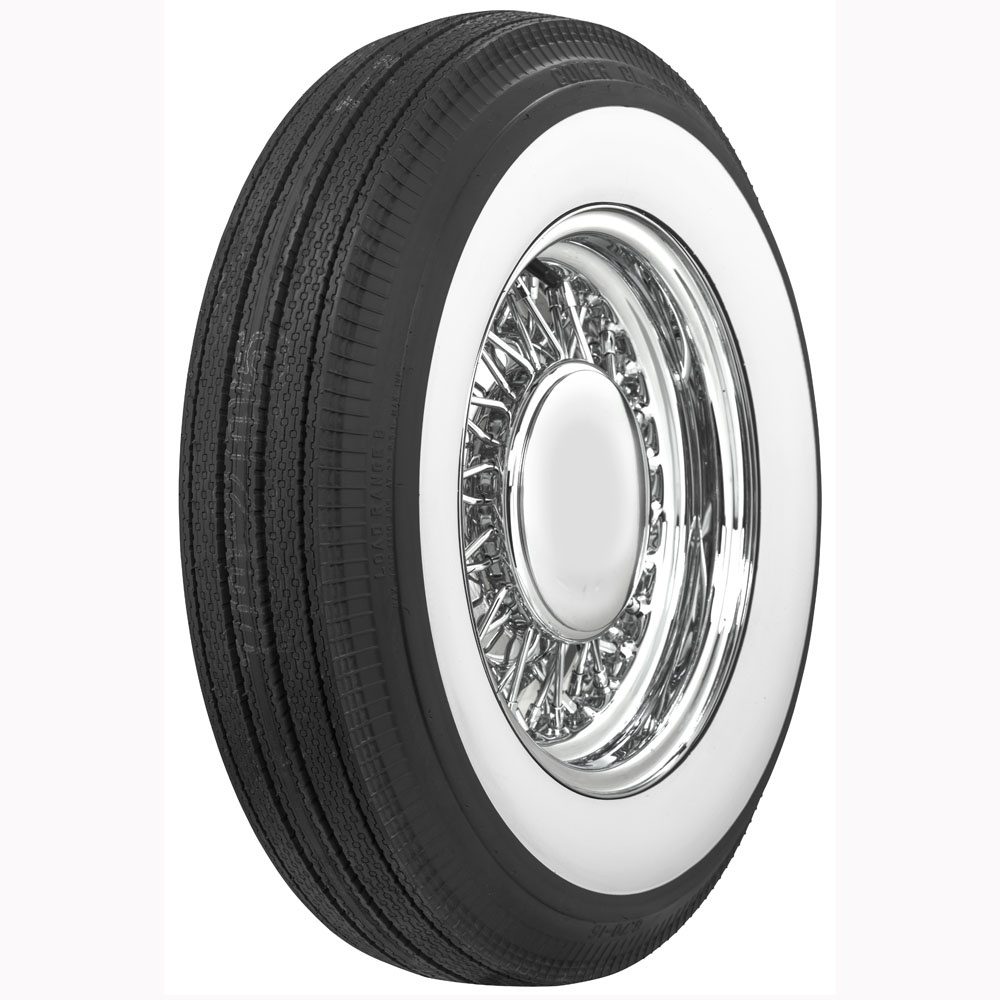
Vintage vehicles often used steel wheels paired with chrome hubcaps or decorative wheel covers. Tire sidewall styling was designed to complement those wheel designs by framing the outer edge of the wheel and visually connecting it to the body of the vehicle. Coker Classic tires maintain these proportions through carefully designed sidewall profiles.
When paired with period correct wheels, the sidewall design creates a balanced visual relationship between tire, wheel, and bodywork. Whitewall treatments highlight the wheel opening while blackwall options create a more understated appearance. This attention to styling details allows Coker Classic tires to preserve the visual identity of classic vehicles across many restoration projects.
Why does sidewall profile matter on classic vehicles? ▼
Sidewall profile influences both appearance and driving characteristics. Many vintage vehicles were designed around taller tire sidewalls, which contributed to a smooth ride and distinctive stance. Modern low profile tires can change the vehicle’s proportions and reduce the visual authenticity of a restoration.
Coker Classic tires maintain taller sidewall proportions that reflect traditional vehicle design. These sidewalls also contribute to ride comfort by allowing controlled flex as the tire absorbs road imperfections. Maintaining the correct sidewall profile helps preserve the original visual stance of classic cars while supporting the suspension characteristics that engineers expected when those vehicles were originally developed.
Why do enthusiasts pay attention to whitewall width? ▼
Whitewall width can dramatically affect how a classic vehicle looks. Different automotive eras favored different whitewall proportions, ranging from very wide bands in the 1950s to narrower whitewalls in later decades. Using the correct whitewall width helps restorers match the original styling intended by the vehicle manufacturer.
Coker Classic tires offer whitewall treatments designed to reflect these historical variations. When the width is properly matched to the vehicle’s era, the tire enhances the visual balance of the entire car. This attention to period correct proportions helps enthusiasts maintain authenticity while ensuring the tire still provides dependable contact patch stability and road performance.
How do Coker Classic tires maintain authentic vintage appearance? ▼
Many modern tires are designed for contemporary vehicles with lower ride heights and wider wheels. Vintage automobiles were engineered around taller tires and narrower wheels, which means modern tire proportions can disrupt the vehicle’s original stance. Coker Classic focuses on preserving the proportions that match historic vehicle design.
By maintaining traditional sidewall height and tread width relationships, these tires preserve the visual balance intended by earlier automotive engineers. The result is a tire that looks correct within the wheel opening and supports the vehicle’s original suspension geometry. This combination of authentic proportions and modern rubber technology helps ensure both visual accuracy and practical drivability.
Driving Experience, Performance & Construction ▼
How do Coker Classic tires typically ride compared with modern tires? ▼
Coker Classic tires are designed to preserve the driving feel associated with vintage vehicles. Many classic automobiles were engineered around bias ply construction, which produces a different ride sensation compared with modern radial tires. Bias ply designs often deliver a softer ride with more noticeable sidewall movement during cornering.
Radial versions offered by Coker Classic provide improved tread stability and a more consistent contact patch while maintaining vintage styling. Radial construction typically improves straight line tracking and reduces tread wear over time. Owners can choose between bias ply authenticity or radial performance depending on whether their priority is period correct driving behavior or enhanced highway stability.
What is the difference between bias ply and radial Coker Classic tires? ▼
Bias ply construction uses layers of cords arranged diagonally across the tire. This traditional design allows the sidewall and tread to flex together, producing a ride characteristic that many vintage vehicles were designed around. The result is a softer ride feel but less precise handling during aggressive cornering.
Radial construction places reinforcing cords perpendicular to the direction of travel, allowing the tread area to remain more stable while the sidewall flexes independently. This design improves contact patch stability and heat dissipation at highway speeds. Coker Classic offers both construction styles so owners can maintain historical authenticity or choose improved handling characteristics while still preserving vintage tire styling.
How do Coker Classic tires handle highway driving? ▼
Many Coker Classic radial tires are designed to improve highway stability compared with traditional bias ply designs. Radial construction allows the tread area to remain flatter against the road surface, which improves contact patch consistency and steering predictability during long distance driving.
At highway speeds, improved heat dissipation also helps maintain tread durability and consistent performance. While the visual styling remains faithful to vintage designs, the internal structure of radial models supports smoother cruising and more stable handling. This combination allows owners to enjoy the appearance of classic tires while benefiting from improved road behavior during regular driving.
Do Coker Classic tires improve ride comfort on vintage cars? ▼
Ride comfort is influenced by several factors including sidewall height, internal construction, and vehicle suspension design. Many vintage vehicles were engineered with taller sidewalls that allow the tire to absorb road irregularities. Coker Classic tires maintain these sidewall proportions, which helps preserve the ride quality expected from classic automobiles.
Radial construction options can further improve ride comfort by allowing the sidewall to flex independently from the tread. This flexibility helps smooth out road imperfections while maintaining stable tread contact. Combined with modern rubber compounds, this design helps deliver comfortable cruising while maintaining the classic appearance that many collectors expect.
How does tread stability affect classic car handling? ▼
Tread stability plays a major role in how a tire responds during steering and braking. When the tread maintains a consistent contact patch with the road surface, the vehicle tends to track more predictably and respond more smoothly to driver inputs. This is particularly noticeable during highway driving and moderate cornering.
Radial Coker Classic tires improve tread stability by separating sidewall movement from the tread structure. This allows the tread to remain flatter on the road surface while the sidewall absorbs movement from suspension and steering forces. The result is improved directional control and more consistent handling while maintaining the vintage appearance expected from classic vehicles.
How do modern materials improve Coker Classic tire durability? ▼
Vintage tires originally used rubber compounds that were less resistant to heat and wear compared with modern materials. Coker Classic tires benefit from updated rubber formulations that improve tread longevity and resistance to environmental degradation. These improvements help maintain consistent performance over longer periods of use.
Modern manufacturing also improves internal consistency and structural durability. Reinforced construction methods help maintain tread stability while supporting controlled sidewall flex. These improvements allow Coker Classic tires to retain their traditional appearance while delivering improved reliability, better heat management, and longer service life during regular driving.
What driving expectations should owners have with Coker Classic tires? ▼
Owners should expect driving characteristics that reflect the design priorities of vintage vehicles. Compared with modern performance tires, classic tire designs emphasize ride comfort and visual authenticity rather than aggressive cornering capability. Taller sidewalls and traditional tread patterns contribute to a smooth and stable cruising experience.
Radial Coker Classic tires provide improved highway behavior and more consistent contact patch performance, while bias ply options preserve the original driving feel many vintage cars were designed around. Choosing the appropriate construction style helps owners balance authenticity, ride comfort, and everyday drivability based on how the vehicle will be used.
Vehicle Applications ▼
What types of vehicles commonly use Coker Classic tires? ▼
Coker Classic tires are commonly used on restored American cars from the early twentieth century through the muscle car era. Vehicles from the 1930s through the 1960s often featured distinctive whitewall tires, making reproduction designs important for authentic restorations. Many collectors choose Coker Classic tires to preserve that original appearance.
These tires also appear frequently on classic trucks, vintage cruisers, and collector vehicles used for shows or weekend driving. Because the brand focuses on historically accurate styling, it supports a wide range of vehicles where maintaining authentic tire appearance is an important part of the restoration process.
Are Coker Classic tires used on classic trucks? ▼
Many classic trucks benefit from tires that maintain traditional proportions and durable construction. Vintage trucks often relied on bias-ply tires with taller sidewalls that helped absorb road impacts and support heavier loads. Coker Classic reproductions maintain these traditional design characteristics.
These tires are often used on restored pickups, vintage utility vehicles, and early commercial trucks where maintaining a period-correct appearance is important. The traditional tread patterns and sidewall styling help complement original steel wheels and classic body designs while maintaining dependable road performance.
Do collectors use Coker Classic tires for regular driving? ▼
Many collectors use Coker Classic tires not only for shows but also for regular driving. Radial construction options allow vintage vehicles to achieve improved road stability and longer tread life while maintaining traditional styling.
For owners who enjoy weekend drives or classic touring events, these tires provide a practical balance between authenticity and durability. Modern rubber compounds help support reliable performance while maintaining the visual characteristics that define classic automotive design.
Maintenance & Ownership ▼
Why is proper tire inflation important for classic tires? ▼
Proper tire inflation helps maintain the correct contact patch between the tire and the road surface. If the tire is underinflated, the sidewalls flex excessively and heat buildup can increase. Overinflation reduces the contact patch and may lead to uneven tread wear.
Maintaining correct pressure helps preserve tread stability and ensures predictable handling. Because vintage vehicles often rely on taller sidewalls, maintaining proper inflation also supports the intended ride comfort and suspension behavior. Regular pressure checks help extend tread longevity and maintain safe road performance.
Should classic car tires be inspected regularly? ▼
Regular tire inspection is an important part of classic vehicle ownership. Many collector cars are driven less frequently than daily drivers, which means tires may spend long periods in storage. Periodic inspections help identify potential issues such as uneven wear, pressure loss, or visible damage.
Checking the sidewall condition and tread surface helps ensure the tire remains safe for road use. Maintaining proper storage conditions and monitoring tire pressure also supports longer service life and reliable performance when the vehicle is driven.
How should classic tires be stored during long periods of inactivity? ▼
Proper storage helps protect the rubber compounds used in vintage style tires. Vehicles stored for extended periods should ideally be kept in a cool, dry environment away from direct sunlight and extreme temperature changes. These conditions help slow rubber aging and maintain tire flexibility.
Owners often check tire pressure periodically during storage to ensure the tire maintains its shape. Some collectors also move the vehicle occasionally to prevent prolonged pressure on one section of the tread. These practices help preserve tread integrity and maintain consistent performance when the vehicle returns to regular driving.
What helps extend the life of Coker Classic tires? ▼
Maintaining proper inflation pressure is one of the most effective ways to extend tire life. Correct pressure helps distribute load evenly across the contact patch and reduces unnecessary heat buildup during driving. This supports consistent tread wear and improved durability.
Regular vehicle maintenance also contributes to tire longevity. Proper wheel alignment, balanced suspension components, and routine inspections help ensure the tire operates under stable conditions. When combined with modern rubber compounds used in Coker Classic tires, these practices help maintain dependable performance and long-lasting tread life.